Build the next move
into this one.
Architecture, implementation and support for systems that remain adaptable as your business changes.
OPEN WHERE
IT MATTERS.
This framework modernizes the original OSIT mission without pretending every problem has an open-source answer.
Open Infrastructure
Linux-centered compute, virtualization, storage and networking architectures that reduce unnecessary platform dependency.
Cloud + Containers
Workload portability, private/public cloud patterns and containerized application delivery.
Automation + DevOps
Infrastructure as code, configuration management, deployment workflows and operational automation.
Applications + Integration
Open platforms, APIs, custom integrations and modernization around the way the organization actually works.
Data + Databases
Open database strategy, migrations and architectures designed to keep business data usable and portable.
Security + Hardening
Secure configuration, patching, identity, logging and observability integrated into the platform.
Managed Open Source
Ongoing operational support for organizations that need experienced engineering without building every specialty in-house.
Open Source Strategy
Architecture reviews, product selection and migration planning based on lifecycle, skills, risk, cost and exit strategy.
Start together.
Stay aligned.
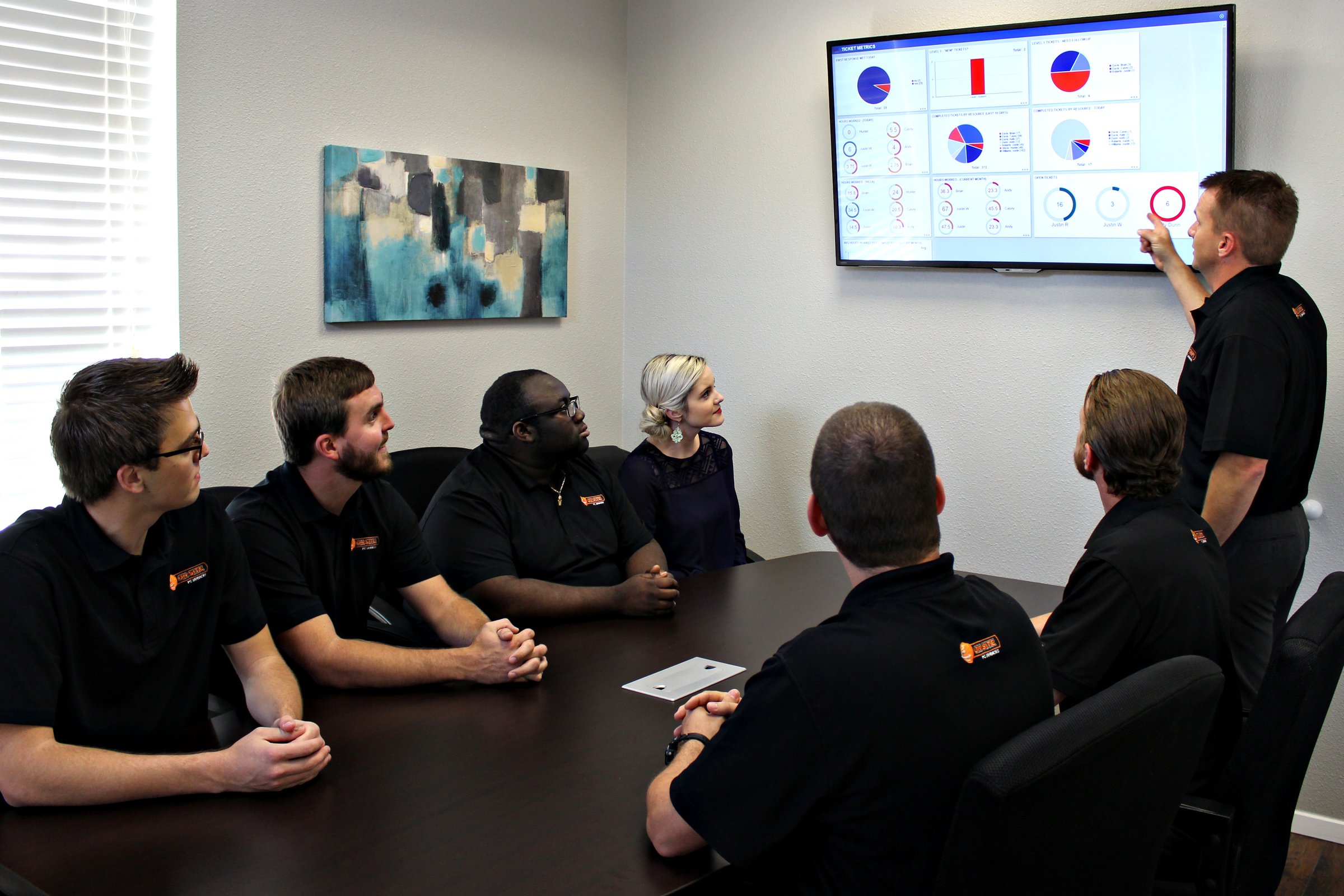
Strong technical work begins with a shared understanding of the operation—not a product pitch.
We surface constraints, review the evidence and make the tradeoffs visible before implementation begins.
DISCOVER.
DESIGN.
DEPLOY.
DOCUMENT.
1. Discover the constraint
We start with requirements, operating model, existing systems, technical debt and the reason change is being considered.
2. Design the exit strategy first
A strong architecture considers how data, workloads and operations can move later—not only how they are deployed today.
3. Deploy with repeatability
Where practical, configuration and infrastructure become code so the environment can be understood and reproduced.
4. Leave usable documentation
Documentation, ownership and operational knowledge should stay with the client, not remain trapped with the implementer.